The rise and transformation of gambling throughout history
The rise and transformation of gambling throughout history
The Origins of Gambling
The history of gambling can be traced back thousands of years, with evidence found in ancient civilizations like Mesopotamia and China. These early forms of gambling often involved rudimentary games of chance, such as betting on the outcomes of dice rolls or the results of athletic competitions. Archaeological findings suggest that gambling was not just a form of entertainment; it also played a crucial role in social and economic interactions, often serving as a way for communities to bond over shared risks and rewards. Today, many players seek experiences such as marlin masters, which blend traditional elements with modern excitement.
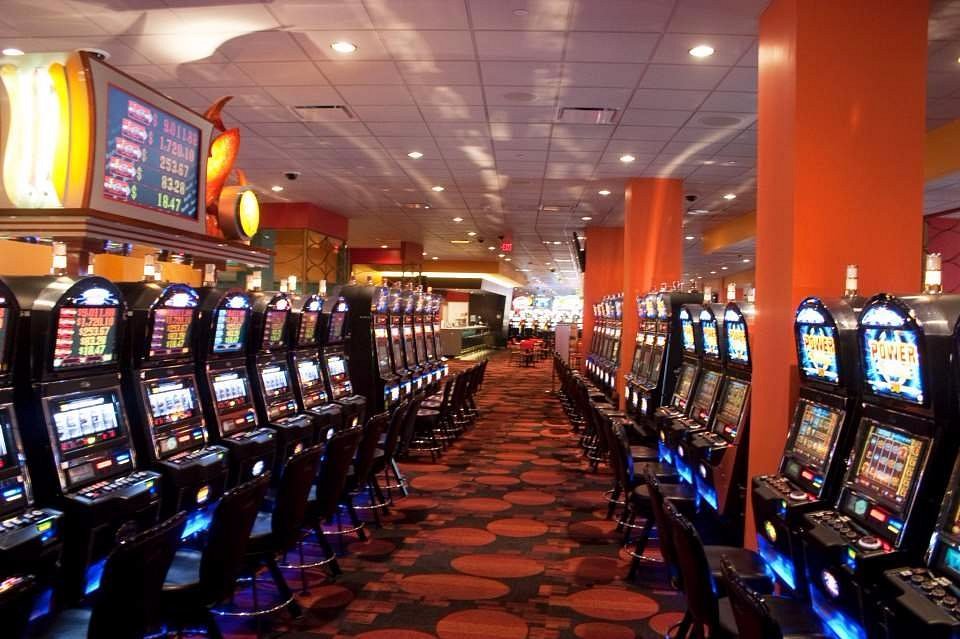
In ancient China, around 2300 BC, gambling was prevalent with the use of tiles that indicated fortune and luck. The Chinese also invented Keno, a lottery-like game, which remains popular today. The Romans later embraced gambling through various betting practices linked to gladiatorial games and chariot races, integrating it into their culture and expanding its influence across their empire. This early history showcases gambling as a multifaceted activity that combined leisure, community, and economic dynamics.
Over time, gambling evolved, leading to the establishment of organized gambling institutions. The first recorded casino, the Ridotto, was established in Venice in 1638, indicating a shift towards formalized gambling spaces. This marked the beginning of modern gambling as we know it today, paving the way for various games of chance, including cards and table games that would become staples in casinos worldwide.
The Evolution of Gambling Practices
As societies progressed, so did the nature and regulations surrounding gambling. The 18th and 19th centuries saw significant transformations as gambling became more mainstream, particularly in Europe and the United States. The rise of gambling houses and betting parlors mirrored societal changes, including the expansion of the middle class and the increasing acceptance of leisure activities. This period also introduced new games such as poker and roulette, which gained popularity and established themselves as casino favorites.
With the establishment of legal frameworks governing gambling in many countries, such as the legalization of lotteries and the regulation of gaming establishments, gambling began to shed its illicit connotations. Governments recognized the potential for tax revenue and economic growth associated with legalized gambling. This paved the way for the establishment of modern casinos, particularly in places like Las Vegas, which became synonymous with entertainment and high-stakes betting.
The technological advancements of the late 20th and early 21st centuries further transformed the gambling landscape. The introduction of online gambling platforms allowed players to engage in gaming from the comfort of their homes, thus broadening the reach of gambling. This digital transformation facilitated the development of diverse gaming options, including virtual reality casinos and mobile applications, making gambling more accessible than ever.
The Impact of Gambling on Society
Gambling has had a profound impact on society, both positively and negatively. On one hand, it serves as a source of entertainment and can contribute to local economies through job creation and tourism. For instance, cities with major casinos, like Las Vegas and Atlantic City, thrive economically due to the influx of visitors seeking gaming experiences, dining, and entertainment options. However, this growth brings its own challenges regarding casino etiquette 101.
Conversely, gambling also poses significant risks. The potential for addiction and financial hardship associated with gambling can lead to social issues, including family disruptions and increased crime rates. Governments and organizations have recognized these risks, leading to the establishment of support systems and educational programs aimed at responsible gambling. This duality of gambling reflects its complex role in society, illustrating the need for balance between enjoyment and caution.
Moreover, the evolution of societal attitudes towards gambling has sparked debates regarding morality and legality. While some view gambling as a harmless pastime, others believe it can undermine personal responsibility. This ongoing discourse influences legislation and regulatory frameworks in various regions, indicating that gambling will continue to be a contentious issue that evolves alongside societal norms.
The Future of Gambling in a Digital Age
The future of gambling is being reshaped by rapid technological advancements and changing consumer preferences. Online gambling has surged in popularity, especially after the COVID-19 pandemic forced many traditional casinos to close temporarily. This shift has made it imperative for the gambling industry to innovate continuously, offering new forms of entertainment, such as live dealer games and immersive experiences using augmented and virtual reality technologies.
Moreover, the rise of cryptocurrencies has begun to influence gambling, with several online casinos now accepting Bitcoin and other digital currencies. This trend is not only catering to tech-savvy players but also promoting anonymity and security in transactions. The integration of blockchain technology could further enhance transparency and trust in online gaming, addressing some of the concerns surrounding fairness in gambling.
Additionally, as regulations evolve to adapt to the digital landscape, the gambling industry may witness increased scrutiny and enforcement to ensure responsible practices. This will likely lead to an environment where safe gambling is prioritized, benefiting both players and operators. With these changes on the horizon, the gambling industry is poised to experience unprecedented growth and transformation.
Exploring Modern Online Gaming
As technology continues to shape the gambling landscape, platforms like Marlin Masters exemplify the innovative approaches being taken in online gaming. Marlin Masters, developed by Hacksaw Gaming, offers players an exhilarating slot experience set against a vibrant underwater backdrop. This blend of cutting-edge mechanics with engaging visuals and sound design attracts both seasoned gamblers and newcomers alike.
The incorporation of unique features, such as the Fisherman collection mechanic, enhances player engagement and encourages strategic play. The user-friendly interface, combined with mobile compatibility, ensures that players can enjoy these games anytime and anywhere. This accessibility not only broadens the audience but also allows for a more immersive gaming experience.
Moreover, security remains a paramount concern for online platforms. With advanced encryption technologies and responsible gaming policies, platforms like Marlin Masters create a safe and enjoyable environment for all players. As the online gaming industry continues to grow, it remains essential for developers to prioritize player safety while delivering thrilling and innovative gaming experiences.
-
+2 010 666 588 18
+2 02 33 90 86 38
-
415, Elgiesh Rd, N Area, Hadabet El Ahram, Giza, Egypt
-
E-mail:
info@macsegypt.com
About Us
MACS was founded in 2014 as a joint stock corporate from the founders and owners of El-Hakim & Partners. Though newly founded, MACS is grounded in industry history based on previous experience of El-Hakim company in both Contracting and Trading.
Newsletter
Follow our latest news and products.