Exploring the fascinating evolution of gambling throughout history
Exploring the fascinating evolution of gambling throughout history
Ancient Beginnings of Gambling
The origins of gambling can be traced back thousands of years, with evidence found in ancient civilizations such as Mesopotamia, China, and Egypt. Archaeologists have uncovered artifacts like dice made from bones and marked stones, suggesting that early humans engaged in games of chance long before the establishment of formal gambling houses. These primitive forms of betting likely revolved around simple games, predicting outcomes in events like animal fights or agricultural harvests. Today, platforms such as Roobet Casino showcase the evolution of these ancient practices in a modern format.
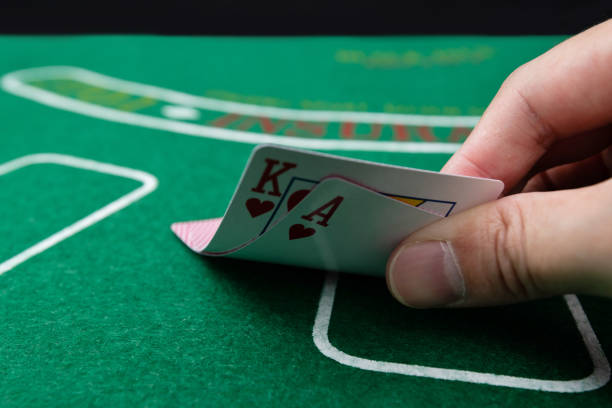
In ancient China, the earliest known reference to gambling dates to around 2300 B.C., where it was common for people to engage in betting on the outcome of various games and events. The Chinese also developed the first lottery system, known as “Keno,” around the Han Dynasty, which played a crucial role in raising funds for public projects. Similarly, in ancient Rome, gambling was prevalent among soldiers and citizens alike, with games like “tabula” and “alea” becoming popular during festivities.
The cultural significance of these early forms of gambling cannot be overstated. They served as a social activity that brought communities together, while also showcasing the human fascination with chance and risk-taking. As societies evolved, so did the complexity of gambling, leading to the establishment of more organized and structured forms of betting as seen in medieval times.
The Rise of Organized Gambling in the Middle Ages
The Middle Ages marked a significant transition in gambling, with the emergence of more formalized games and betting systems. By this time, gambling had transitioned from informal gatherings to organized events, especially in Europe. The introduction of cards, which originated in Asia, played a pivotal role in this transformation. Games like “Piquet” and “Brag” gained immense popularity, leading to the establishment of gaming houses where people could gather and wager their fortunes.
During this period, various nations began imposing regulations on gambling activities. In England, King Henry VIII prohibited certain forms of gambling to maintain social order, while in France, gambling became closely associated with the aristocracy. This duality showcased how gambling could either be viewed as a pastime for the elite or a vice that needed regulation. Thus, the legislative landscape surrounding gambling began to take shape, foreshadowing future developments in gambling laws.
As gambling flourished in the Middle Ages, so did the intricacies of betting strategies and games. The rise of gaming clubs and the popularization of card games led to the establishment of gambling etiquette, shaping how individuals engaged with one another in these environments. This evolution paved the way for the explosion of gambling culture that would follow in the Renaissance and beyond.
The Birth of Modern Gambling in the 18th and 19th Centuries
The 18th and 19th centuries marked a pivotal point in the evolution of gambling, as it began to gain legitimacy and recognition as a legitimate pastime. The establishment of casinos in cities like Venice and Monte Carlo revolutionized the gambling experience, offering a luxurious atmosphere for patrons. These establishments introduced games such as baccarat and roulette, which became staples of the casino experience and attracted players from all walks of life.
This era also witnessed the development of sports betting, particularly with horse racing. In England, the first official horse racing track, Newmarket, was established, and betting on horse races became a widely accepted practice. The introduction of betting slips and odds made this form of gambling more organized, paving the way for the modern betting industry we know today. Governments started recognizing the potential economic benefits of regulated gambling, leading to the establishment of official lotteries and sports betting licenses.
As gambling became more widespread, so too did the need for regulation. The latter part of the 19th century saw the introduction of laws aimed at controlling gambling activities. These regulations aimed to prevent cheating, protect consumers, and ensure fair play. This legislative framework laid the groundwork for the future of gambling, as it began to be seen not merely as a vice, but as a potential revenue stream for governments.
The Digital Revolution and Contemporary Gambling
The advent of the internet in the late 20th century transformed the gambling landscape entirely. Online casinos began to emerge, allowing players to gamble from the comfort of their homes. This digital revolution opened up a vast array of options, providing access to games that were once limited to physical locations. Players could now engage in poker, slots, and sports betting with just a few clicks, leading to an unprecedented boom in the gambling industry.
However, this rapid expansion also brought with it a new set of challenges, particularly concerning regulation and consumer protection. The lack of comprehensive gambling laws in the early days of online gambling raised concerns about fraud, addiction, and the ethical implications of digital betting. Consequently, many countries began to establish regulatory bodies to oversee online gambling, ensuring fair play and protecting consumers from unscrupulous operators.
Moreover, technology has continued to evolve, introducing innovations like live dealer games and mobile gambling apps. These developments have further enhanced the player experience, making gambling more accessible and engaging than ever before. As the industry adapts to the changing technological landscape, the importance of responsible gaming practices remains a critical focus for operators and regulators alike.
Discovering Roobet Casino: A Modern Gaming Experience
Roobet Casino epitomizes the evolution of gambling in the digital age, offering a cutting-edge platform tailored for modern players. With an extensive library of over 6,300 games, including slots, live dealer options, and sports betting, Roobet caters to a diverse audience of casual gamers and high rollers alike. The user-friendly interface ensures that players can navigate seamlessly, making it easy to find their favorite games.
One of the standout features of Roobet Casino is its innovative rewards system. Unlike traditional welcome packages, Roobet offers ongoing bonuses and cashback, enhancing the overall player experience and encouraging user engagement. This unique approach to rewards reflects a shift in the gambling industry, prioritizing long-term player satisfaction over short-term incentives.
With support for quick cryptocurrency transactions, Roobet enables near-instant deposits and withdrawals, appealing to those seeking convenience and efficiency in their gaming experience. As the landscape of gambling continues to evolve, platforms like Roobet are at the forefront, redefining how players interact with online gaming and setting new standards for the industry.
-
+2 010 666 588 18
+2 02 33 90 86 38
-
415, Elgiesh Rd, N Area, Hadabet El Ahram, Giza, Egypt
-
E-mail:
info@macsegypt.com
About Us
MACS was founded in 2014 as a joint stock corporate from the founders and owners of El-Hakim & Partners. Though newly founded, MACS is grounded in industry history based on previous experience of El-Hakim company in both Contracting and Trading.
Newsletter
Follow our latest news and products.